
A figure: 60% of premium cosmetics consumers have changed brands in the last two years. The sector knows neither routine nor ease; it thrives on novelty and the quest for authenticity.
Brands are competing with creativity to attract a clientele that is as attentive to product composition as to the brand’s philosophy. Some highlight their organic certification, while others build their universe around multisensory ranges or personalized experiences. Strategies vary, but the target remains the same: to convince increasingly knowledgeable buyers who are attentive to the origin of ingredients and the coherence of the entire ethical discourse.
Recommended read : Explore the latest trends and inspirations in the fashion world of Scooporama
Overview of beauty and wellness brands competing with Rituals
In the face of Rituals, beauty brands no longer settle for classic creams. They multiply innovations, enrich their offerings, and refine their positioning. In France, the demand for natural organic products is booming: discerning consumers, expectations for transparency, high demands on skin tolerance. Players in natural care invest in quality ingredients, prioritize certifications, and refine textures and scents to stand out.
To better understand the levers of this competition, here’s what distinguishes the different players:
Read also : Shrew in the house: what is its spiritual and symbolic meaning?
- diversity of the product range
- competitive prices
- proven effectiveness
- immersive sensory experience
In France, the battle is largely fought on value for money. Some focus on accessibility and simplicity, while others emphasize sophisticated and rare formulas. Certified organic products are appealing, as are multifunctional treatments, moisturizing body lotions, or face creams with impeccable composition. A clientele in search of authenticity scrutinizes every detail.
For a comprehensive view, Rituals’ competitors on Espace Beauté provide a striking insight into the diversity of strategies. Some value simplicity and naturalness, while others bet on technology and sophistication. In this jungle, the consumer examines the INCI list, checks environmental commitments, and also judges based on sensory effectiveness. Lines are shifting, the market is reinventing itself, and the bar is being raised for all beauty products and wellness brands.
What are the differences between Rituals and its main competitors in terms of naturalness and commitment?
Naturalness has now become a key criterion in cosmetics. Rituals, strongly associated with rituals inspired by Asia and rich sensory experiences, uses naturally sourced ingredients but does not systematically claim to be certified organic. While the brand favors plant extracts, it does not exclude synthetic components, as revealed by the ingredient list of its products, from the Sakura ritual to the body range.
On their part, several French competitors draw a clearer line: enhanced transparency, detailed communication on certified vegan organic products, cruelty-free labels, strict certifications. The traceability of origin ingredients is highlighted, as is the commitment to recyclable packaging or the rejection of greenwashing. Where some promise naturalness, others prove the credibility of their approach through composition.
In terms of commitments, Rituals acts on reducing plastics, supports solidarity projects, and develops respectful body care. Other brands opt for a holistic approach: natural organic formulation, rejection of animal testing, reduction of carbon footprint at every stage. Ultimately, the distinction becomes clearer between sensory experience, ethical demands, and the reality of the formulas used.
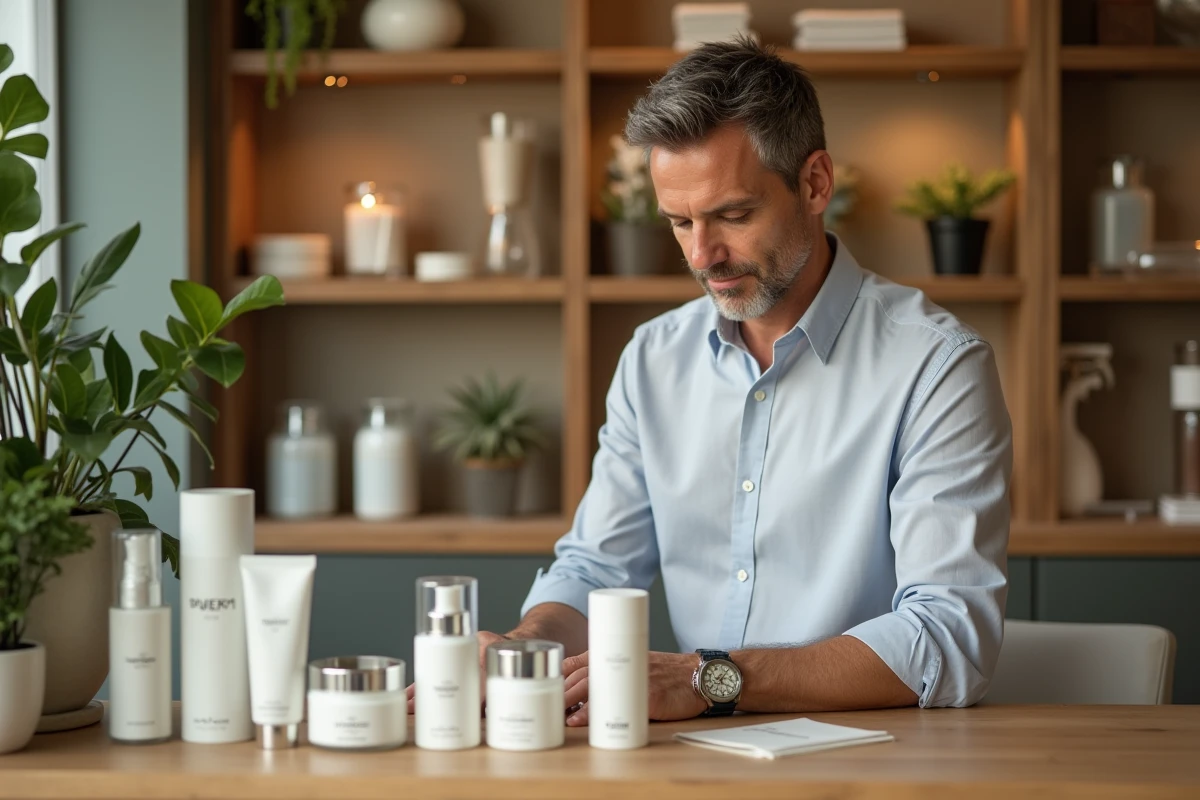
Making an informed choice: criteria for comparing responsible cosmetics brands
The development of responsible cosmetics raises questions about the criteria that truly guide purchases. If we rely on promises, all face care, body care, or body lotions seem natural. But the truth lies in the composition: the INCI list, often difficult to decipher, sometimes reveals the presence of synthetic agents or controversial preservatives. Knowing how to read this list allows one to identify truly natural organic products and those that ride the green wave without real commitment.
It is useful to recall the criteria that allow for evaluating a brand’s commitment:
- Use of recyclable packaging or recycled materials, reduction of plastic, implementation of refill systems
- Value for money considering the real cost for a moisturizing and protective treatment
- Accessibility of ranges and availability of products
The sensory experience occupies a central place for many players, but it should not overshadow the essentials: respect for the skin, proven effectiveness, absence of controversial ingredients. The diversity of beauty products, creams, lotions, anti-aging treatments, meets specific needs, but not all products are equal in terms of naturalness or ethics. Organic or vegan labels, transparency on traceability, consistency of commitments throughout the production chain: this is what distinguishes genuinely responsible cosmetics from mere marketing discourse.
In this effervescence, the market is shaping a new face of beauty: more attentive, more demanding, but above all, driven by the desire to give meaning to every daily gesture.