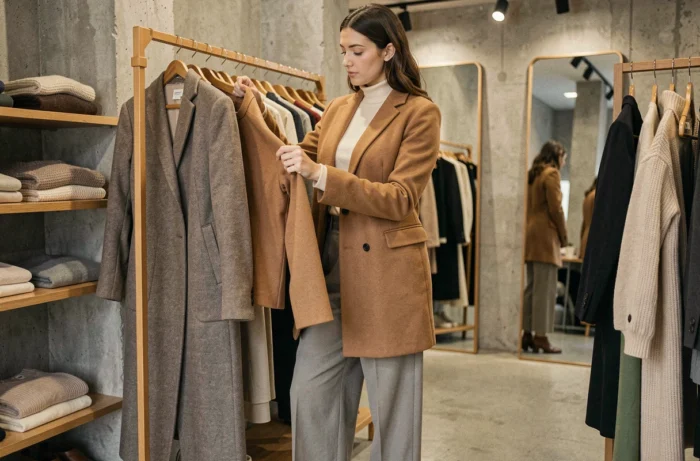
The fashion trends of this season are reflected as much in the numbers as on the runways. Between the rise of second-hand clothing, the implementation of new European regulations on environmental claims, and the return of forgotten silhouettes, the wardrobe is evolving under cross pressures. What criteria truly distinguish a sustainable piece from a mere fashion fad, and how are the new rules of the game changing the way we shop?
European Directive 2024/825 and Fashion Claims: What Changes Are Actually Happening
Competitors compile lists of colors and patterns without mentioning the regulatory framework that redefines brand communication. The European Directive 2024/825, known as Empowering Consumers for the Green Transition, comes into effect on September 27, 2026. It regulates generic environmental claims and targets vague formulations like “sustainable” or “eco-friendly” when they are not sufficiently substantiated.
For consumers, this means that labels will need to become more precise. A pair of pants labeled “eco-responsible” will need to be backed by verifiable evidence, not just a green logo. Brands that rely on greenwashing as a seasonal selling point are losing their leeway.
On the traceability front, the European regulation on textile eco-design pushes manufacturers to integrate the origin of materials from the design phase. This is no longer a marketing argument; it is a production constraint. The autumn-winter collections arriving in stores are the first to undergo this increased regulatory pressure.
Resources like leroyaumedelamode.fr allow consumers to follow these developments and make informed clothing choices.
Second-Hand and Seasonal Fashion: A Comparison of Purchase Channels
Buying second-hand is often presented as a virtuous gesture by default. Recent data nuances this view. A report from Oxfam France published on September 10, 2026, and relayed by Libération, establishes a considerable gap between resale channels.
| Purchase Channel | Compared CO₂ Emissions | Share of Textile Purchases (2025) |
|---|---|---|
| Solidarity shop (like Oxfam, Emmaüs) | Reference (base 1) | Included in the 7% of second-hand |
| Online resale platform | Up to five times more emissions | Included in the 7% of second-hand |
| New purchase (traditional circuit) | Variable by brand | 93% of textile purchases |
According to data from Refashion cited by Libération, second-hand now accounts for 7% of textile purchases in France. Volumes have increased between 2024 and 2025, but the chosen channel radically changes the environmental balance.
In other words, reselling a trench coat or pants via a logistics platform generates a carbon cost related to transport and packaging that can negate the ecological benefit of reuse. A local solidarity shop remains the most sustainable circuit.
Key Pieces and Silhouettes for the Autumn-Winter Season
Beyond regulations, the season’s wardrobe is structured around a few strong axes identified on the runways and in editorial selections. Three categories of pieces are capturing attention this season.
Dominant Colors and Materials
Warm tones (camel, burgundy, terracotta) remain the chromatic foundation of autumn-winter. At the same time, bright shades, worn in small touches on an accessory or a unique piece, help break the monotony of neutral palettes.
Textured materials are taking precedence over smooth fabrics: boucle wool, corduroy, thick knit. The choice of material is as important as color in adding depth to an outfit.
Preferred Cuts and Volumes
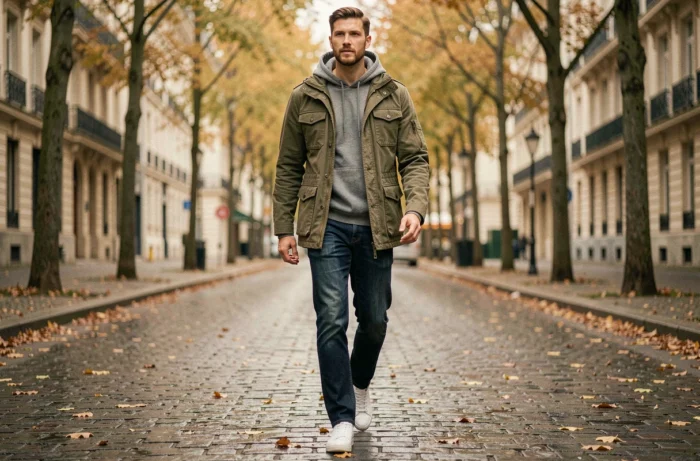
- The long coat structures the silhouette and works well over both straight jeans and a midi dress. It is the most versatile piece of the season.
- The wide or barrel pants continue to gain traction, replacing slim fits in most wardrobes. They are worn high-waisted to elongate the leg.
- Short, structured jackets (fitted blazers, cropped leather jackets) provide contrast with the voluminous bottoms.
- The oversized sweater, already established for several seasons, remains a staple but is now worn partially tucked into the pants to avoid the “sack” effect.
Accessories That Truly Change a Look
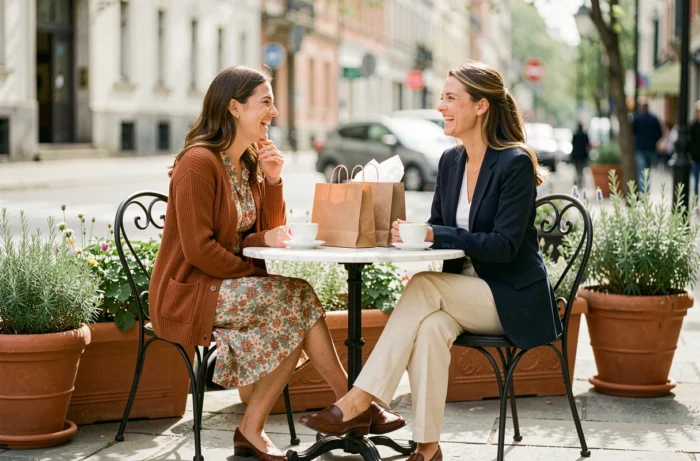
The square-toed loafer is gaining ground this season and is replacing white sneakers as the go-to shoe.
A well-chosen accessory transforms a look more than an additional piece. Oversized scarves, worn like shawls, and structured grain leather bags dominate the autumn-winter selections.
Fashion Trends and Budget: Balancing Durability and Renewal
The central question this season is not “what to wear” but “how to buy.” The intersecting data from regulations and the second-hand market outline a clearer decision-making framework than two years ago.
- Check environmental claims: starting in September 2026, vague mentions without proof are regulated by Directive 2024/825. A precise label (GOTS, Oeko-Tex) is better than a slogan.
- Prefer second-hand in solidarity shops rather than online if the goal is truly to reduce carbon impact.
- Invest in versatile pieces (long coat, wide pants, structured blazer) that last through multiple seasons rather than multiplying impulsive purchases on micro-trends.
The Oxfam report and the new European obligations converge on the same conclusion: the purchase channel weighs as much as the choice of piece in the environmental balance of a wardrobe. The trends of the season are also measured by this standard, not just by the colors seen on the runways.