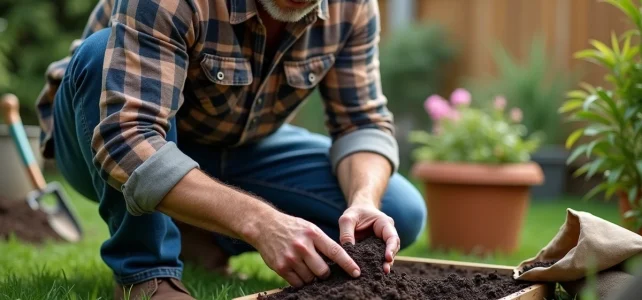
The label “universal potting soil” hides a multifaceted reality, where each bag promises mountains and wonders but sometimes delivers a content far from expectations. From one brand to another, the differences are striking: texture, composition, and above all, effectiveness in the garden. With some manufacturers, entry-level potting soils still contain barely composted chunks or elements that do not forgive during delicate sowing.
The potting soil for sowing offered by Lidl fuels numerous debates among gardeners, whether they are novices or more experienced. To see clearly, one must scrutinize its characteristics and measure its ability to support the growth of young plants while meeting the expectations of those who want to stack the odds in their favor.
Related reading : Explore the latest trends and inspirations in the fashion world of Scooporama
What is Lidl’s potting soil for sowing really worth? Analysis of its composition and quality
In a section where references accumulate, the Lidl potting soil for sowing attracts attention. On paper, the composition shows a correct content of organic matter, derived from peat, wood fibers, and composted bark. The texture, for its part, is rather fibrous, with a marked grain size, coarser than that of some premium substrates. This structure is beneficial for aerating the seedlings but can complicate the task for tiny seeds that require close contact with the soil.
The product’s water balance holds up: the first waterings prove that the potting soil retains moisture well, without suffocating the first roots. However, one should expect to have to break a few clumps by hand to achieve a uniform surface in trays or pots.
See also : Discover the hidden meaning of the Lidl logo in 2025: history and evolution
Another point to note: the addition of an enriched NPK fertilizer (nitrogen, phosphorus, potassium) in the formula. This gives a boost to germination and rooting, provided that water inputs are monitored to limit the risk of leaching.
The value for money is a key argument. Lidl offers an affordable potting soil, which opens the door to numerous sowings without breaking the budget. To form an honest opinion on Lidl’s potting soil for sowing, it should be noted that this substrate fulfills its role for the first transplants or for less demanding crops. More delicate sowings will appreciate the addition of well-matured compost, or even a hint of fine sand, to counter the sometimes too coarse structure.
Against other potting soils on the market: strengths and limits to know
The dilemma spares no one: how does Lidl’s potting soil position itself against other solutions on the market, whether universal or specialized? The price, undeniably, remains its main attraction. Those who want to sow in large numbers or plant without counting find it advantageous. But it would be illusory to stop there: quality, texture fineness, and watering retention are equally decisive.
Many point out a coarse texture that ventilates the roots well but complicates germination for very fine sowings. In this area, some competing brands, which are finer, make a difference for specific uses such as fragile cuttings or acid-loving plants. That said, Lidl’s potting soil offers a decent base for tolerant crops and the start of the season.
Strengths of Lidl’s potting soil:
Here are the highlights when listing its advantages:
- Price: the obvious choice for sowing in quantity or starting gardening.
- Versatility: it is suitable for most common gardening uses.
- Enriched NPK fertilizer: it provides a good start for young plants.
Limits to consider:
However, there are a few reservations to keep in mind:
- Irregular grain size: it may be necessary to sift or refine by hand for the most sensitive sowings.
- Water retention: generally correct, but it varies depending on the crop and may require some adjustments.
Specialized substrates, such as heather potting soil, retain the advantage as soon as one aims for demanding varieties or delicate cuttings. If one sticks to general uses, Lidl holds up, provided its technical specifics are respected.
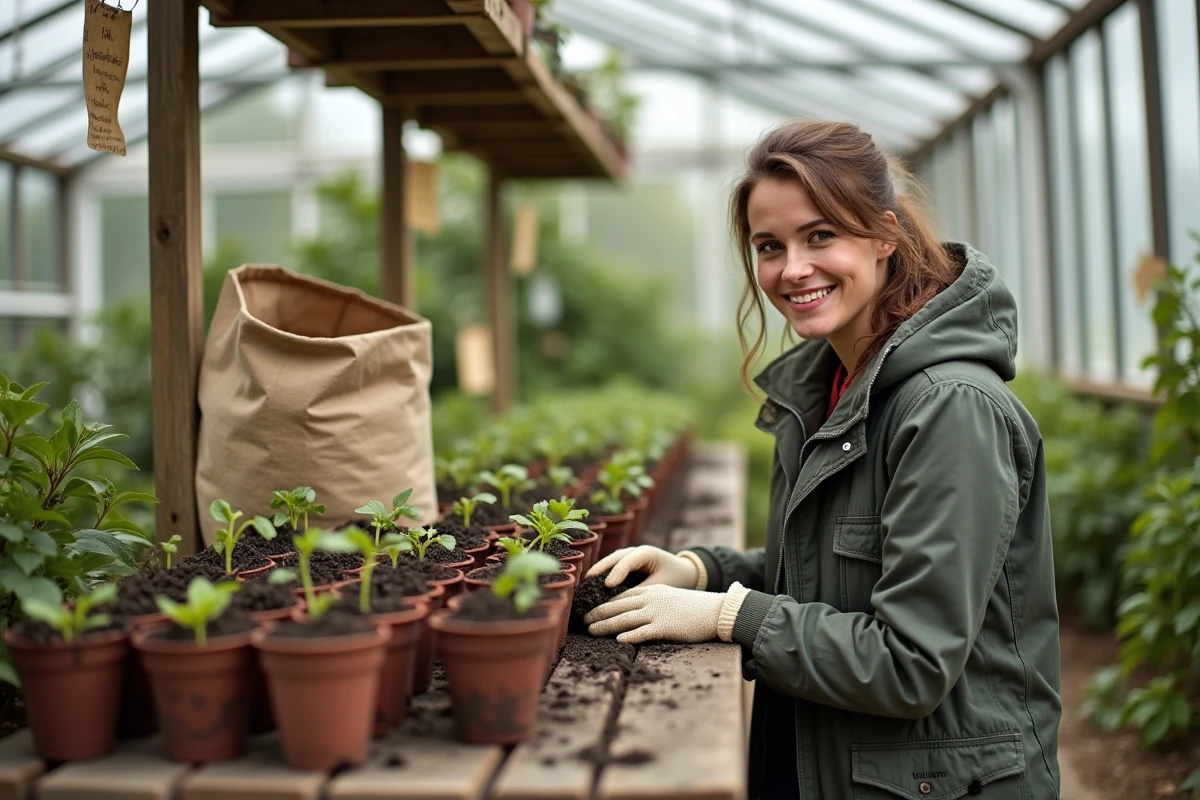
Practical tips for successful sowing with Lidl’s potting soil in the garden
Some simple gestures can help make the most of Lidl’s potting soil for sowing. Since the texture sometimes requires refinement, sifting is necessary to eliminate overly large pieces and provide the seeds with a uniform layer, ideal for promoting even germination.
To ensure good water retention, thoroughly moisten the potting soil before sowing. This prevents water from compacting the substrate abruptly and helps the first roots anchor without difficulty. Space the seeds out evenly, as the enrichment with NPK fertilizer supports germination but requires good aeration in the top centimeters.
The choice of container influences success: prefer pots or trays with drainage holes, so that excess water can easily escape. A very fine mulch, such as a thin layer of vermiculite, stabilizes temperature and protects the most vulnerable young shoots.
When the crops are more demanding, sowings, cuttings, and fragile young plants, combine Lidl’s potting soil with a bit of well-matured compost. This supplement corrects its low organic richness and gives a boost to more nutrient-hungry plants. Watering should adapt to exposure and ventilation, as the potting soil’s water retention fluctuates according to conditions.
Daily observation makes a difference: adjust water, monitor germination, and ventilate as soon as condensation accumulates under the greenhouse. When mastered well, Lidl’s potting soil for sowing becomes a reliable ally for supporting an entire season of planting. Open bags, hands in the soil: all that remains is to see how these new sowings will perform at the starting line.