
Optimizing the energy of a home is not just about lowering the thermostat or turning off the lights. Since the reform of the Energy Performance Certificate (DPE) in 2021 and the gradual ban on renting energy-inefficient properties, the approach has changed: it is necessary to think in terms of renovation trajectories rather than isolated actions. The question remains where to start, and especially which areas offer the best return on investment.
Energy Audit and DPE: What the Regulatory Framework Requires Before Renovation
Since April 2023, the sale of homes classified F or G in the DPE must be accompanied by a regulatory energy audit. This audit proposes several costed, prioritized, and time-planned renovation scenarios. The obligation is gradually extending to labels E and D.
Related reading : How to Choose the Right Bamboo Shredder and Easily Maintain Your Garden
This change alters the way renovation is approached. Renovation work is no longer a list of disparate actions but a coherent trajectory that sequences insulation, ventilation, and then heating in a specific order. Getting the sequence wrong, for example, replacing a boiler before insulating the walls, leads to oversizing equipment that will become unsuitable after insulation.
The reformed DPE, which has been enforceable since July 2021, particularly penalizes poorly insulated homes heated with outdated electric systems. For those looking to delve deeper into this step-by-step renovation logic, maisonfjord.fr’s advice on Parlons Déco details the trade-offs to be made between the envelope and equipment.
Read also : The best tips and tools to boost your presence on social media
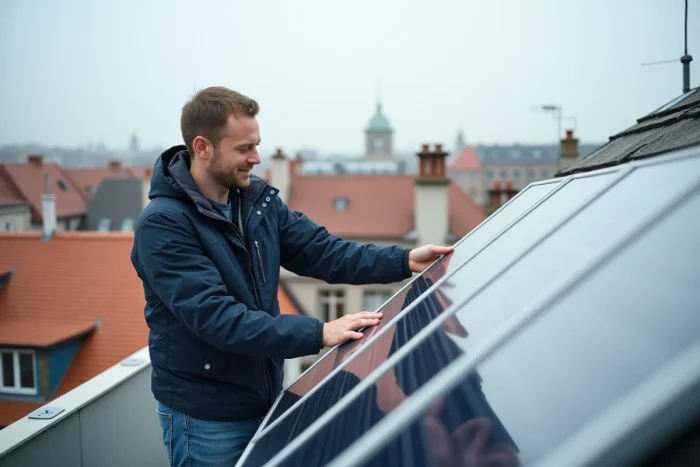
Thermal Envelope vs. Heating Change: Priority Table
The frequent temptation is to replace an old convector with a heat pump. However, insulating the envelope (walls, roof, floors) remains the lever that sustainably reduces needs, even before touching the production system.
| Renovation Work Item | Impact on Heat Loss | Priority Order in the Audit |
|---|---|---|
| Roof Insulation | Reduces the main source of heat loss | First recommended step |
| Insulation of Exterior Walls | Limits major thermal bridges | Second step |
| Window Replacement | Reduces air infiltration and losses through glazing | Third step |
| High-Performance Ventilation (Double Flow VMC) | Controls humidity and limits losses through air renewal | To be integrated as soon as enhanced insulation is in place |
| Changing the Heating System | Optimizes production but does not reduce needs | Last step, after insulation |
This sequencing is not arbitrary. Insulating first allows for sizing the heating system based on the actual needs of the renovated home, not on those of the energy-inefficient home. An oversized device consumes more in short cycles and wears out faster.
Ventilation and Humidity: The Overlooked Factor That Sabotages Insulation
Strengthening the airtightness of a home without adapting the ventilation creates a humidity problem. Stale air stagnates, condensation appears on cold surfaces, and mold degrades both air quality and the performance of insulation.
A VMC adapted to the level of insulation is not an accessory. It is a structural component of the renovation. Double flow systems recover some of the heat from the extracted air to preheat the incoming air, which limits losses associated with air renewal.
Warning signs to look for after insulation work:
- Persistent condensation on windows, even during the day, indicating a lack of air renewal
- Stale odors in humid rooms (kitchen, bathroom), a symptom of insufficient extraction flow
- Black marks in the corners of walls or behind furniture, indicative of residual thermal bridges combined with excess humidity

Set Temperature and Actual Behavior
Lowering the set temperature by one degree measurably reduces heating consumption. However, this action only works if the envelope allows it. In a poorly insulated home, lowering the thermostat creates immediate discomfort: cold walls create a feeling of chill even when the ambient air reaches the desired temperature.
The perceived temperature depends as much on the walls as on the air. An insulated wall at a surface temperature of 18 °C provides comfort comparable to a cold wall compensated by air at 21 °C, with significantly lower consumption.
Devices and Electrical Consumption: The Important Trade-offs
Heating and hot water represent the largest share of the energy bill. Household appliances and lighting weigh less heavily, but their cumulative consumption deserves attention, especially in homes that are already well insulated where heating has been reduced.
High-impact actions on electrical consumption outside of heating:
- Replacing an old hot water tank with a thermodynamic model, which uses ambient air calories to heat water
- Eliminating permanent standby of electronic devices via power strips with switches, as the standby consumption of all devices in a household reaches a significant level over a year
- Prioritizing appliances with an energy label of class A when renewing, particularly for refrigerators and washing machines that operate continuously or very frequently
Hot Water: An Underestimated Item
Setting the temperature of the tank between 55 and 60 °C is sufficient to prevent bacterial growth while avoiding excessive heating. Beyond that, each additional degree increases consumption without health benefits. Insulating hot water pipes in unheated spaces (garage, basement) reduces distribution losses, a low-cost action that is rarely taken.
Energy optimization in a home depends on the order of interventions as much as on their nature. Addressing the envelope before the equipment, integrating ventilation from the outset, and then adjusting the sizing of heating to actual needs: this sequence, now enshrined in the regulatory framework of the energy audit, remains the most reliable guiding principle to avoid poorly calibrated investments.