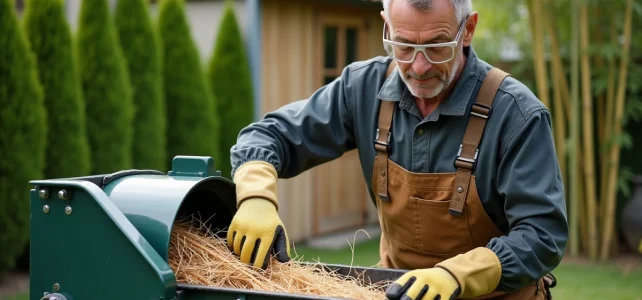
A 2000 W thermal shredder does not guarantee better efficiency on bamboo than some well-designed electric models. The strength of the fibers varies according to the species, making the choice of equipment more complex than it seems. Manufacturers sometimes impose unexpected limits, such as the exclusion of bamboo in the user manual of devices that are otherwise powerful.
Given the diversity of technologies and sometimes paradoxical instructions, every criterion counts. The actual power, cutting mode, maintenance frequency, and the intended use dictate the relevance of a shredder, especially for those who want a pristine garden without spending their weekends on it.
See also : How to Choose the Right String Trimmer for a Perfectly Maintained Garden
The different types of garden shredders: which one for bamboo and garden waste?
Before adopting the right shredder, it’s better to examine the available options. There are mainly three major categories: the electric blade shredder, the rotor shredder, and the thermal shredder. Each has its preferred uses and points of caution.
The electric blade shredder is appealing due to its light weight and low price. Perfect for soft waste, it excels with leaves and young shoots. But when bamboo is involved, it becomes a hassle: frequent blockages, prematurely worn blades, and the thicker the bamboo, the more the system saturates.
Further reading : How to Choose the Best Pruner for Safely Maintaining Your Trees
The rotor shredder, on the other hand, offers significantly greater endurance. Its principle? It crushes and cuts, thus limiting jams. Bamboo, even tough, is much better accepted, provided you choose a device with a sufficiently robust turbine, with some models tolerating sections up to 40 mm and beyond. It remains to check compatibility according to your plantings.
As for thermal shredders, they play in the big leagues. High power, capacity to handle large volumes: they are not afraid of mature bamboo or the most imposing branches. The downside? Significant bulk, intensive maintenance, and a price range aimed at regular users or even semi-professionals.
To delve deeper into the specifics of bamboo and equipment selection, this comprehensive guide helps clarify: how to choose your shredder for bamboo.
Making the right choice means considering the area to be treated, the nature of the waste, the frequency of use, and the diameter of the stems or branches to be shredded. In most gardens where the question of bamboo arises, a rotor shredder equipped with a reinforced turbine stands out as the ultimate versatile hybrid.
Power, capacity, cutting system: the essential criteria for making the right choice
Power is the first point to watch. If the shredder shows less than 2000 W, it may quickly be overwhelmed by the toughness of bamboo, especially for canes wider than 3 cm. Electric models hover around 2000 to 2500 W, perfect for regular domestic use. Thermal models significantly raise the bar, operating without faltering on heavier jobs.
Do not overlook the cutting capacity. It should correspond to the volume of waste typically processed and their average thickness. The best domestic shredders can handle up to 45 mm in diameter, covering almost all common varieties of bamboo and branches from ornamental trees.
In terms of technology, three systems dominate: rotating blades, rotor, or turbine. Blades are fast but do not handle the long, rigid fibers of bamboo well. Prefer a rotor, which cuts and crushes without tiring and significantly reduces the risk of blockage. For intensive use, the added robustness of a turbine is a real plus.
To compare more concretely, here are the recommendations based on usage profile:
- The electric rotor shredder adapts to the majority of residential gardens and easily accepts medium-sized bamboo.
- In case of large volumes to process, or if the bamboo is mature and massive, a thermal shredder should be considered to avoid limitations.
Access to the internal mechanism is a criterion often overlooked. A system that is easy to disassemble facilitates maintenance, prolongs the lifespan of the device, and avoids issues during cleaning. A well-designed collection bin also helps improve practicality and streamline repetitive chores.

Comparison of popular models and tips for easy daily maintenance
The shredder market has democratized, making various generations of reliable tools accessible. For those managing medium-sized areas and wanting to process bamboo effortlessly, an electric rotor model offers the best compromise: it shreds efficiently without producing excessive noise, and handling remains easy for the average user. Thermal shredders, massive and powerful, swallow large waste without flinching, whether it is thick bamboo, dense hedges, or recurring piles of branches. They produce an ideal mulch to nourish garden soils.
To highlight the specific qualities of each technology, here’s how to orient yourself based on the type of vegetation to be processed:
- The rotor shredder: effective on branches, bamboo, and fibrous waste.
- The turbine shredder: unbeatable on very large diameters with remarkable resistance to jamming.
- The blade shredder: reserved for soft everyday waste when speed takes precedence over robustness.
Finally, maintenance makes all the difference between a sustainable investment and repeated frustrations. Make it a habit to systematically remove residues after each use to preserve the machine’s performance. Regularly check the condition of the blades or rotor, lubricate moving parts, and refer to the manufacturer’s instructions to prolong their effectiveness. Easy access to the interior, as well as a quickly manageable collection bin, contribute to making the shredder an ally rather than a burden. Thus, gardening no longer rhymes with chore, but becomes that little regular pleasure to savor season after season.