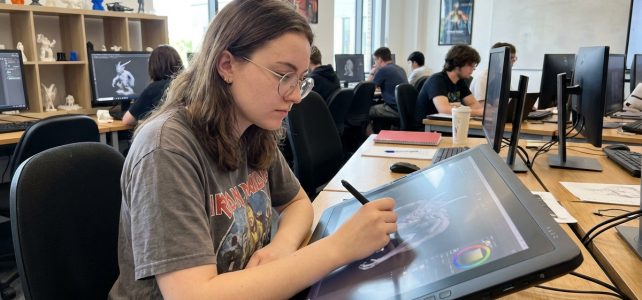
In 2023, the number of enrollments in specialized schools for special effects and 3D has surpassed for the first time that of traditional cinema courses. Production studios are multiplying job offers for hybrid profiles, capable of navigating between graphic design, animation, and immersive technologies.
When the passion for cinema meets digital creativity
The starting point of special effects dates back to the boldness of Georges Méliès and his early tricks that revolutionized visual storytelling. Since then, cinema has transformed by leaps and bounds: the legendary stop motion of King Kong, mechanical creatures in animatronics, and then the leap to 3D and motion capture that have redefined the magic of the big screen, from Avatar to The Lord of the Rings. These advancements are not mere technical feats: they spark curiosity and appetite among new generations for the blend of animation, technology, and high-level tricks.
Related reading : Is Autossimo Really Reliable? Complete Analysis and Feedback
French schools, in Paris or elsewhere, open their doors to this thriving universe. Students discover a learning experience that is both demanding and exhilarating: between compositing on After Effects and modeling on Blender, everything is designed to marry creativity and technical mastery. Studios, whether dedicated to cinema, video games, or advertising, are on the lookout for talents capable of mastering the latest immersive tools, from real-time 3D to IMAX. This excitement is explained by the appetite of giants like Netflix, Pixar, or Weta Digital, and by the reputation of studios like Illumination Mac Guff.
What irresistibly attracts is the possibility of building visual worlds where technical skills and creativity intertwine. Many students claim their lineage with pioneers like Stanley Kubrick, George Lucas, James Cameron, or Andy Serkis. They see in these paths the example of a boldness that redefines the way stories are told through images. The reasons for the success of special effects and 3D training lie in this shared passion: participating in the creation of universes, shaping the collective imagination, and leaving one’s own mark in the grand adventure of cinema.
Related reading : Why Illegal Download Sites Are So Appealing to French Internet Users
The role of a motion designer: a key position between graphic design, cinema, and video games
At the intersection of visual arts and digital technologies, the motion designer has become a central figure in the creative industries. This profession, still relatively unknown a few years ago, combines animation, graphic design, and storytelling to enrich both cinema and video games or advertising. Designing interfaces, imagining animated sequences, breathing life into titles or graphic worlds: the motion designer intervenes wherever moving images become a language in their own right.
The use of tools such as Adobe After Effects or Blender is essential. Specialized schools emphasize hands-on experience: creating graphic elements, sound adjustments, integration into interactive environments. Group projects are common, as the reality of the sector, whether in a Parisian animation studio, an agency in Lille, or a video game studio, relies on the strength of teamwork.
Here are some concrete examples of tasks assigned to motion designers:
- Animation of graphic and typographic elements
- Design of credits, TV graphics, video game trailers
- Integration of visual effects into video productions
The versatility of the motion designer, capable of juggling between creativity and technicality, particularly attracts recruiters. This profession opens many bridges to other specializations, such as 3D animator, FX artist, game designer, sound designer, and offers a constantly renewed playground for those who want to push the boundaries of animated images.

What career opportunities and prospects after training in special effects and 3D?
The professional paths opened after training in special effects and 3D are numerous, driven by a booming industry. French studios, like Illumination Mac Guff, a pillar of audiovisual employment in Île-de-France, or other major players in animation, are recruiting profiles capable of adapting to the diversity of projects and the creative demands of each production.
The sector is rapidly developing and requires a high level of technical mastery combined with relentless creativity. Accessible professions range from VFX supervisor to 3D animator, including modeler, FX artist, editor, or specialist in art direction. Graduates can thus join teams on feature films, series, video games, or advertising campaigns, whether in Paris or in the regions.
Among the roles available to recent graduates, we find:
- Visual effects supervisor
- 3D animator
- FX artist
- VFX editor
- Generalist artist 2D/3D
Schools such as Les Gobelins, Artfx, ISART Digital Paris, ESMA, Brassart, or RUBIKA stand out for the rigor of their training and their ability to quickly integrate students into professional networks. In Saint-Denis, the Cité du Cinéma brings together emerging talents, studios, and industry experts, fostering synergies and direct encounters with employers. The demand remains strong, and creative profiles with real technical know-how quickly find their place, as long as they dare to engage in the construction of new visual worlds.
At a time when every film, every game, every ad seeks to surprise, 3D and special effects become the favorite playground for enthusiasts of visual storytelling. Those who choose this path find the opportunity to shape the images that will mark the memories of tomorrow.