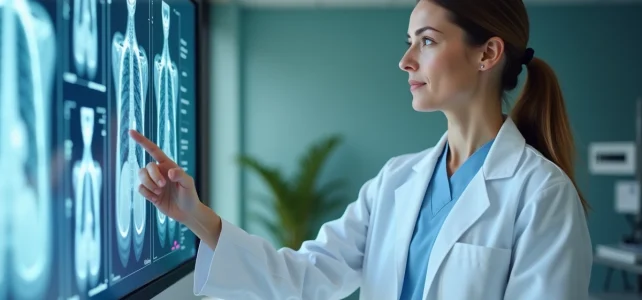
Severe lung lesions have until now been synonymous with lasting disability, due to a lack of effective solutions to restore respiratory function. Research teams are challenging this view with innovative approaches aimed at repairing, or even regenerating, lung tissue.
Therapeutic avenues are emerging, combining biological innovations, advances in transplantation, and new management protocols. These developments concern both chronic pathologies such as COPD and acute or tumor-related conditions. New hopes are emerging, supported by a better understanding of cellular and immune repair mechanisms.
See also : Discover the best culinary new releases and recipe trends of the moment
Why are the lungs and heart so difficult to repair after a serious illness?
Restoring the function of the lungs or heart after a serious illness is a significant medical challenge. These organs, true pillars of survival, exhibit a complex cellular organization and particularly dense vascularization. Their ability to regenerate remains low, far from that of other tissues in the body. In patients suffering from chronic obstructive pulmonary disease (COPD) or idiopathic pulmonary fibrosis, the gradual deterioration of respiratory function sets in silently, continuing its advance despite available treatments.
Pulmonary fibrosis is a striking illustration of this: persistent inflammation, triggered by an infection (COVID-19, for example), an autoimmune disease, or exposure to toxic substances, destroys lung tissue, which then transforms into a fibrous and rigid framework. This scar tissue, irreversible in many cases, limits gas exchange capacity and heavily weighs on vital prognosis. Some forms, of unknown origin, such as idiopathic pulmonary fibrosis, can also affect several members of the same family, indicating a significant genetic component.
See also : Succeeding in Your SNCF Psychotechnical Test: Tips and Effective Methods
The heart, on the other hand, faces another obstacle: adult cardiac muscle cells multiply very little. After a heart attack or infection, the scar that forms does not possess the contractile strength of healthy muscle. To treat damaged lungs or restore the heart’s vigor, innovation is necessary, stepping outside the traditional paths of classical biology. Teams are exploring the manipulation of stem cells, modulation of the immune system, and tissue engineering. However, the path remains fraught with obstacles if we want to restore these organs to sustainable and real functioning.
Major innovations in pulmonary and cardiac regeneration: what science allows today
Biomedical research is accelerating the transformation of prospects for patients suffering from idiopathic pulmonary fibrosis or heart failure after a heart attack. Mesenchymal stem cells (MSCs) offer a promising avenue: derived from bone marrow or adipose tissue, they can participate in the repair of damaged lung tissue by modulating inflammation and stimulating regeneration. Early clinical trials using these MSCs in pulmonary fibrosis already show that they are well tolerated and suggest partial improvement in breathing.
At the same time, two antifibrotic treatments, pirfenidone and nintedanib, slow the progression of the disease by limiting cellular proliferation and excessive formation of fibrous tissue. Administered under close medical supervision, these medications stabilize the gradual decline in respiratory capacity and improve patients’ daily lives.
These advances are not limited to the lungs. Research is also exploring the possibility of using stem cells to repair cardiac muscle after a heart attack, a field still evolving but already attracting the interest of specialists. Regenerative medicine is gradually pushing the boundaries, tackling organs long considered impossible to repair.
Here are the main axes of this therapeutic revolution:
- Stem cells: they promote tissue repair and reduce inflammation
- Pirfenidone, nintedanib: these molecules slow the progression of pulmonary fibrosis
- Clinical trials: safety is validated, efficacy is under evaluation
The stakes are immense: it is about restoring respiratory or cardiac function, thus offering a new perspective to patients long condemned to live with their sequelae.
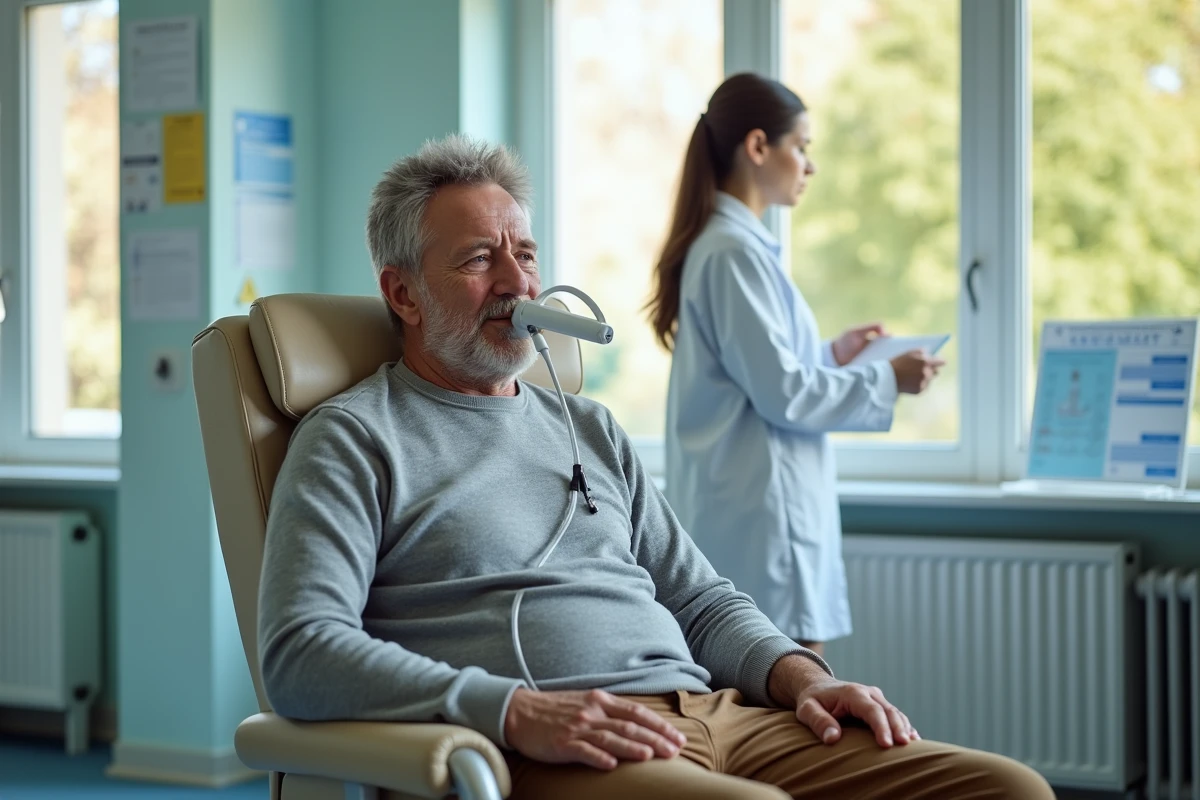
Proton therapy, transplants, and the role of macrophages: what concrete prospects for COPD and lung cancer?
Advances in the management of COPD and lung cancer open a new field of possibilities for both patients and doctors. Proton therapy now allows for targeting tumors with unmatched precision, preserving healthy lung tissue as much as possible. This technique is gradually becoming established for treating tumors sensitive to radiation, particularly in individuals whose respiratory capacity is already compromised.
In the most advanced cases of chronic obstructive pulmonary disease (COPD) or terminal fibrosis, lung transplantation remains a possible outcome. However, the very strict selection of candidates and the lack of available grafts still limit access to this solution. When possible, transplantation offers a second chance, with a clear improvement in both duration and quality of life.
The treatment of lung cancer also benefits from notable progress: immunotherapy and targeted therapies are game-changers. For example, durvalumab increases life expectancy after radio-chemotherapy in certain localized forms. Molecules like osimertinib or lorlatinib are prescribed based on specific genetic mutations, allowing for prolonged remission and reduced risk of relapse.
Another player is emerging: the macrophage, a key cell in the immune system. Better understood, its role in managing inflammation and tissue repair is generating increasing interest. Adapting the response of these cells could help mitigate the worsening of symptoms in COPD and support lung reconstruction after cancer. Changes are underway, driven by the intersection of technology and an increasingly refined understanding of lung function. A dynamic that, for many, was not so obvious until recently.